Clinton County Locksmith Service Team
Local locksmith team
May 1, 2026 9 min read
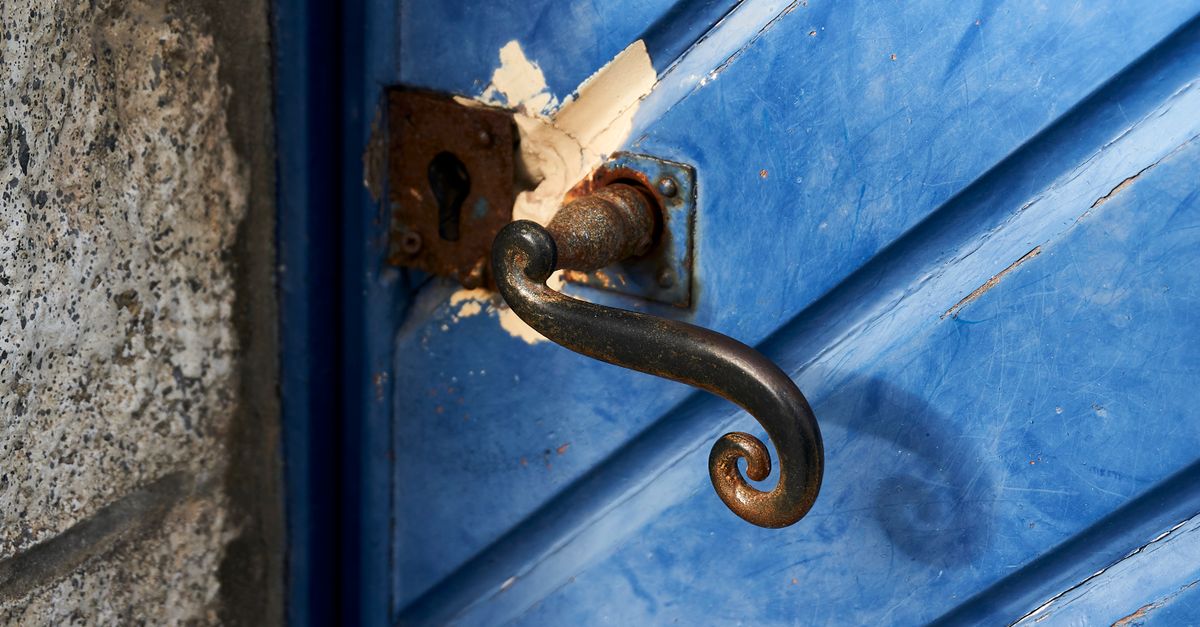
If you've ever stood at your front door wondering why your neighbor's lock looks completely different from yours, you're not alone. Homes in the Wilmington area — from older craftsman bungalows near downtown on Locust Street to newer builds out toward the Caesar Creek corridor — were built across different eras, and the locks on their doors reflect that history. Two of the most common lock types you'll encounter are the mortise lock and the standard door knob lock. They look different, work differently, and require different repair approaches. Knowing which one you have isn't just trivia — it could save you time and frustration the next time something goes wrong.
This guide breaks down exactly what sets these two lock types apart, how to identify which one is on your door, and what factors influence the cost when you need a professional locksmith Wilmington homeowners can actually count on. Whether you're locked out, planning an upgrade, or just trying to understand what you're looking at, keep reading — Clinton County Locksmith has you covered around the clock.
## What Is a Mortise Lock — and How Is It Different from a Door Knob Lock?
A mortise lock is a lock mechanism that is installed inside a precisely cut rectangular pocket — called a mortise — chiseled into the body of the door itself. Instead of a simple cylindrical hole bored through the door like you'd see with a knob lock, the mortise lock set sits flush within the door edge, with a larger, flat faceplate visible along the door's side. The result is a lock that is physically embedded in the door, making it significantly more robust against kick-in or forced-entry attempts. Mortise locks are common on older homes, historic commercial buildings, and any property where heavy-duty security was prioritized from the start.
A standard door knob lock — sometimes called a knob lock or cylindrical lock — works on a much simpler principle. A cylinder runs through a bored hole in the door, the knob or lever turns a latch or deadbolt, and the whole assembly is surface-mounted with two rosette plates on either side of the door. Door knob with lock mechanisms are by far the most common type found in residential construction from the mid-20th century onward. They're easier and less expensive to install, and replacement hardware from brands like Schlage or Kwikset is widely available. The trade-off is that they are generally less robust than a mortise lock set in a high-security application.
## How to Tell Which Lock You Have — A Quick Visual Guide
Identifying your lock type takes about ten seconds. Look at the edge of your door — the narrow strip of door visible when it's slightly ajar. If you see a large, rectangular metal plate (often three to four inches tall) with a latch and sometimes a deadbolt bolt both visible through it, you almost certainly have a mortise lock. Open the door fully and you may be able to see the lock body recessed into the door's interior. Mortise locks also tend to have a separate thumb-turn or key cylinder on both the interior and exterior of the door.
If the edge of your door shows only a small, triangular or rectangular latch and a thin strike plate, and the hardware on both faces of the door consists of rounded knobs or lever handles with a simple push-button or key cylinder, that's a door knob with lock and key setup — a cylindrical lock. Some doors have both: a knob lock for the latch and a separate deadbolt above it. That two-lock combination is very common in Wilmington-area homes and is worth noting because repairs to each piece are handled differently. If you're ever unsure, snap a photo of your door edge and call us — we can identify it instantly.
## Mortise Lock Repairs, Knob Lock Issues, and When to Call an Emergency Locksmith
Mortise locks are durable, but because they are complex mechanisms with many internal parts — springs, levers, cams, and a case housing — they require a skilled hand when something goes wrong. Common issues include a worn cam that causes the latch to fail to retract, a broken internal spring, or a seized cylinder from years of weather exposure. Because the lock is embedded in the door, a repair that looks straightforward can require careful disassembly without damaging the door itself. This is not a job for a general handyman unfamiliar with lock internals. Our experienced locksmiths carry parts for a wide range of mortise lock sets and can often complete repairs on-site.
Door knob lock problems are more common simply because these locks are installed on so many more homes. The most frequent complaints we hear: the knob spins freely without retracting the latch (a broken spindle or cam), the key turns but nothing happens (a disconnected tailpiece), or the lock cylinder is worn to the point where the key barely works. On the lockout side — if you're standing outside your home at 11 p.m. unable to get in — the right move is never to attempt to pick a door knob lock yourself. Beyond the safety concern of using improvised tools, you risk damaging the cylinder and turning a lockout call into a full replacement job. Check for a spare key with a trusted neighbor, look for an unlocked window or secondary entrance, verify ownership documentation if a locksmith needs to confirm access, and then call a professional. Clinton County Locksmith operates 24/7, so an emergency locksmith is never more than a phone call away at (937) 932-1878.
## What Factors Determine the Cost? (Locksmith Pricing Explained Honestly)
One of the most common questions we get — right alongside 'how much is a local locksmith?' and 'what is a locksmith call out fee?' — is simply: what's this going to cost me? The honest answer is that several variables shape the final quote, and any locksmith who gives you a firm price over the phone without knowing those variables is guessing. The factors that matter most are: the type of lock involved (a mortise lock set repair is more involved than replacing a knob lock cylinder), whether parts need to be sourced or are on the truck, the time of day (overnight and holiday calls reflect the cost of 24/7 staffing), and travel distance within our service area. Homeowners in Wilmington proper are typically a shorter drive than calls out toward the edges of Clinton County.
Regarding how much a locksmith should cost per hour — that's a fair framework for some jobs, but most locksmith work is quoted per-job rather than hourly, because the time required can vary widely based on conditions at the door. What we commit to every time: you receive a confirmed, up-front price before any work begins. No surprise charges after the fact. We think that's the bare minimum of what honest service looks like. Whether it's a straightforward door knob lock rekey, a full mortise lock set replacement, or a commercial locksmith call for a multi-point lock on a business door, the quote is clear before we touch anything. That's a standard Clinton County Locksmith holds itself to on every single call — including the middle-of-the-night ones.
## Upgrades, Rekeying, and Our Full Range of Locksmith Services Wilmington Homeowners Use
Whether you're upgrading from a basic knob lock to a mortise lock set for better security, rekeying after a move, or dealing with a lockout right now, Clinton County Locksmith handles the full spectrum of residential and commercial lock work across Wilmington and the surrounding Clinton County area. Below is a snapshot of what our trained, insured team does every week for local homeowners, renters, and business owners:
Residential door lock installation and replacement — Mortise lock set installation and repair — Knob lock and lever lock replacement — Deadbolt installation (single and double cylinder) — Lock rekeying for new homeowners — Master key system setup for rental properties — Smart lock and keypad lock installation — High-security cylinder upgrades — Door knob with lock and key replacement — Lock repair after attempted break-in — Door frame and strike plate reinforcement — Window lock installation — Sliding door lock repair and replacement — Garage side door lock service — Safe opening and combination changes — Automotive lockout service (cars, trucks, and SUVs) — Car key cutting and duplication — Transponder key programming — Key fob replacement and programming — Broken key extraction from locks and ignitions — Ignition cylinder repair and replacement — Commercial lock installation and replacement — Commercial door knob and lever set service — Access control system installation — Padlock cutting and replacement for storage units and outbuildings — Emergency lockout response 24 hours a day, 7 days a week, including holidays. If you don't see your specific need listed, call (937) 932-1878 and we'll tell you whether it's a job we handle.
Frequently asked questions
What is a mortise lock, and is it worth upgrading to one from a standard knob lock?+
A mortise lock is a lock mechanism set into a pocket cut directly into the door's edge, giving it a stronger physical connection to the door than a surface-mounted cylindrical knob lock. Whether an upgrade makes sense depends on your door's construction, age, and your security goals. Solid-core exterior doors on older Wilmington-area homes often already have mortise hardware; newer homes may benefit from the upgrade. Call us at (937) 932-1878 and we can assess your specific door and walk you through options — no obligation.
Is it cheaper to rekey my lock or replace it entirely?+
Rekeying is almost always the more cost-effective option when the lock mechanism itself is in good working condition — it changes the internal pins so old keys no longer work, without replacing the hardware. Replacement makes more sense when the lock is worn, damaged, or you want to upgrade to a higher-security option. The type of lock matters too: rekeying a standard door knob lock is straightforward, while rekeying a mortise lock set involves more steps. We give you an up-front, confirmed price for either option so you can decide what fits your situation.
What should I do if I'm locked out of my home and can't reach a spare key?+
First, check every possible legitimate entry point — a spare key with a trusted neighbor or family member, an unlocked back or side door, or a garage entry. If none of those work, call a professional locksmith rather than attempting to pick or force the lock yourself. Improvised attempts can damage the cylinder or door hardware, turning a simple lockout into a costlier repair. Clinton County Locksmith responds to lockouts across the Wilmington area around the clock — call (937) 932-1878 and we'll be on our way.
Do you handle commercial locksmith calls, or only residential?+
We handle both. Commercial doors in the Wilmington area often use heavy-duty mortise lock sets, multi-point locking systems, or access control hardware that requires specific expertise. Our team works with business owners, property managers, and landlords on everything from single-office lockouts to full re-keying of a multi-unit building. Commercial calls are welcome any hour — our 24/7 availability applies to business properties just as much as homes.